



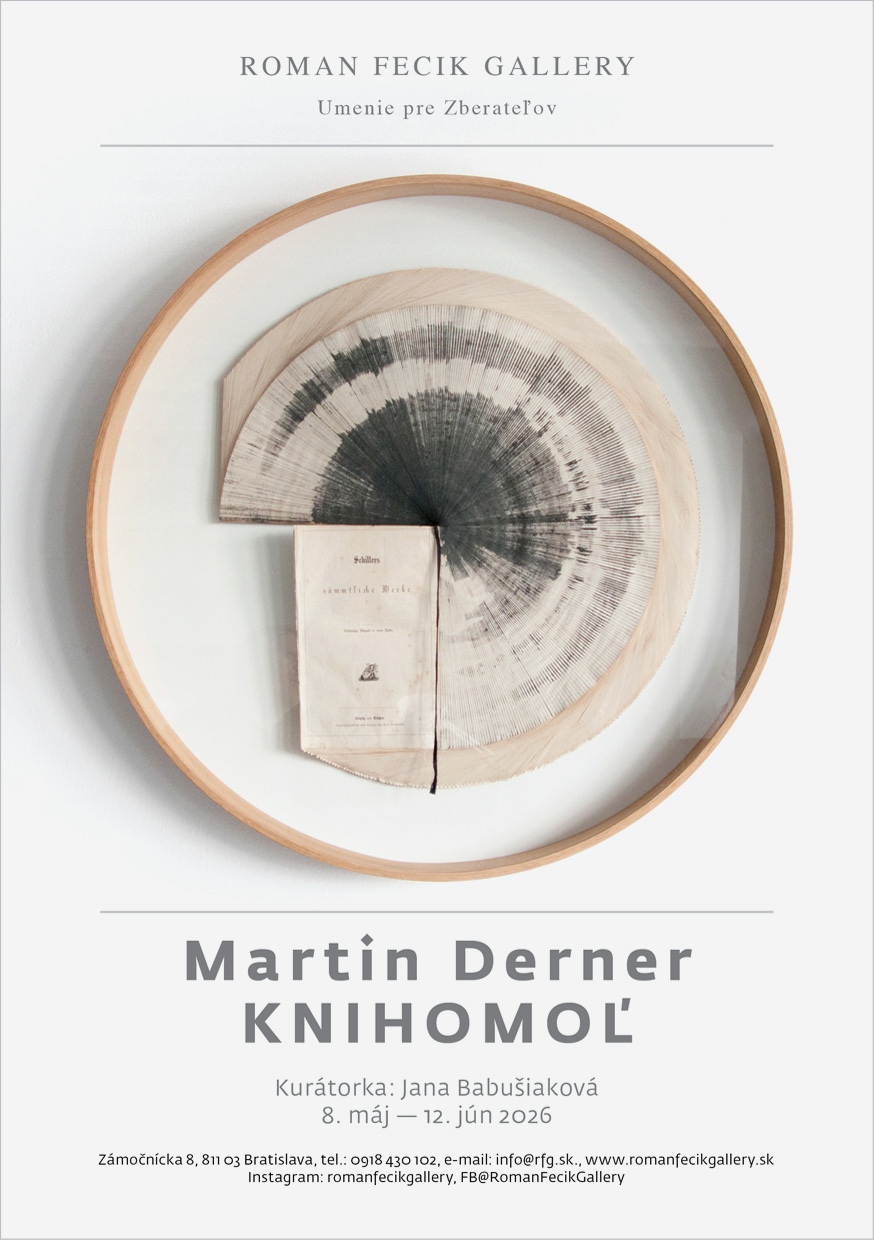
samostatná autorská výstava / Solo exhibition
Roman Fecik Gallery, Zámočnícka 8, 811 03 Bratislava.
Trvanie/Duration: 8. 5. – 12. 6. 2026
Kurátorka/Curator: Jana Babušiaková
Fotografie/Photo: isonative
Like:

SK/
Martin Derner vo svojej tvorbe využíva neokonceptuálne stratégie v plošných médiách (grafika, koláž, manipulovaná fotografia) aj v intermediálnych presahoch do priestorových foriem umenia.
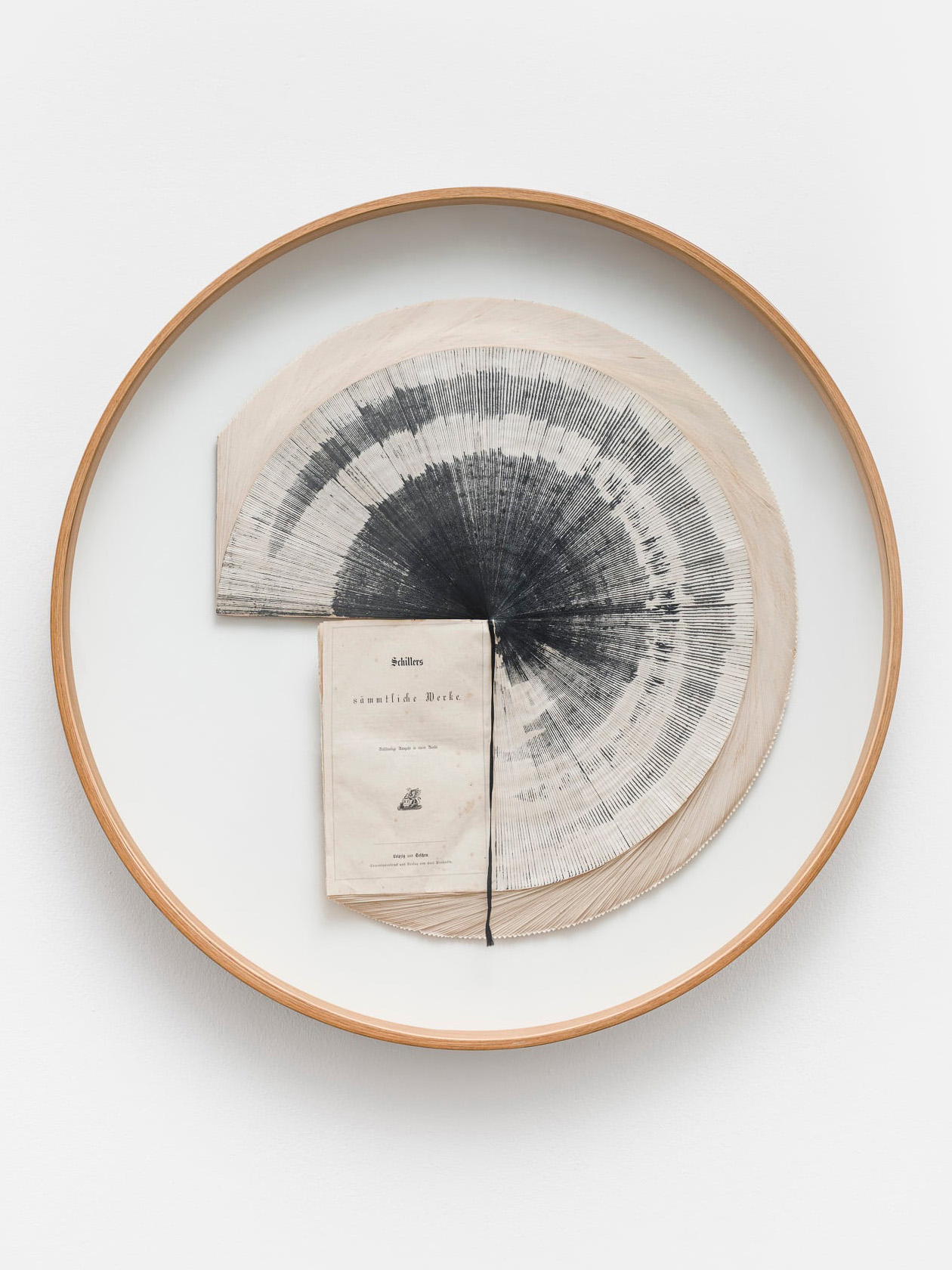
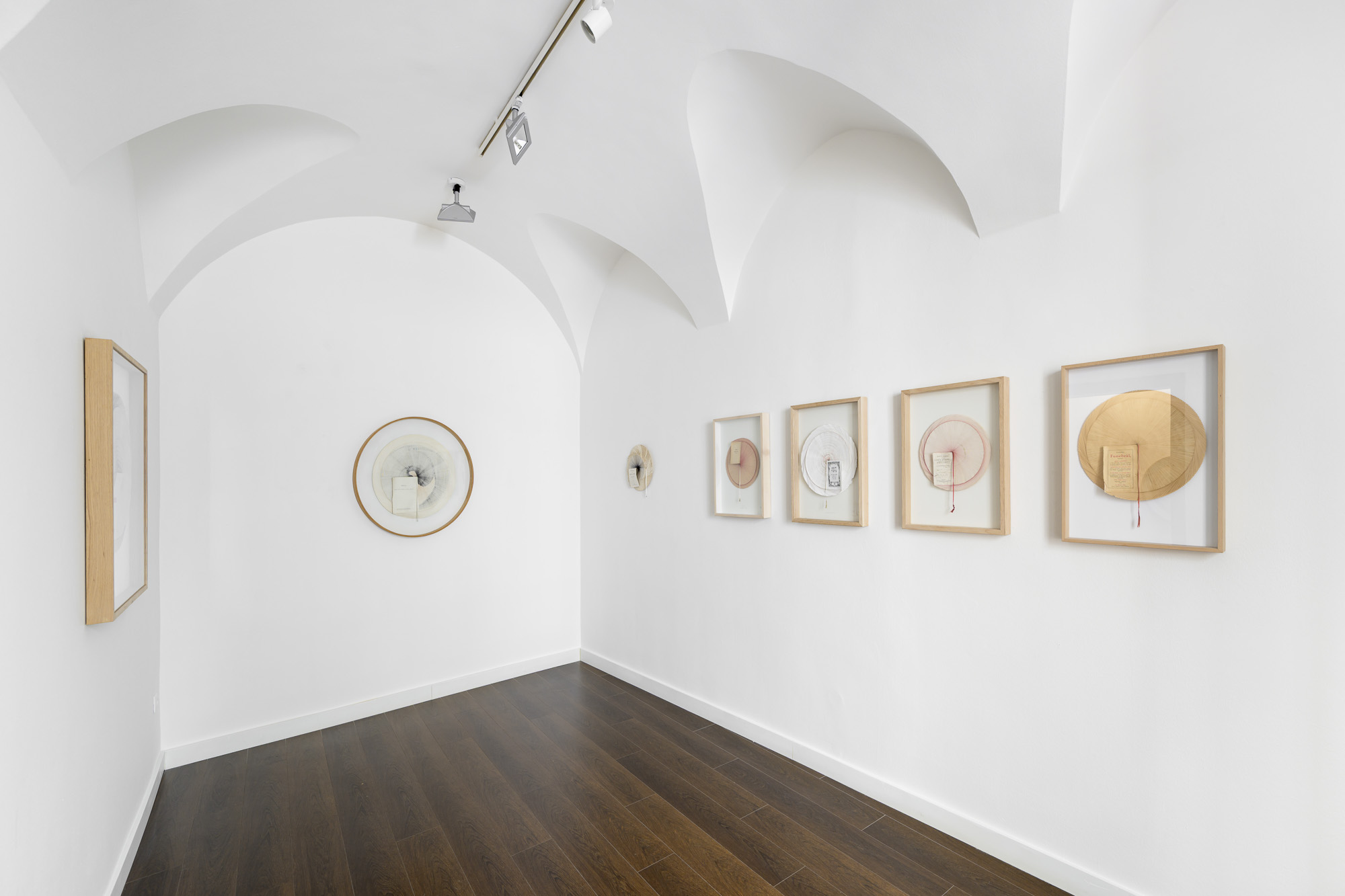
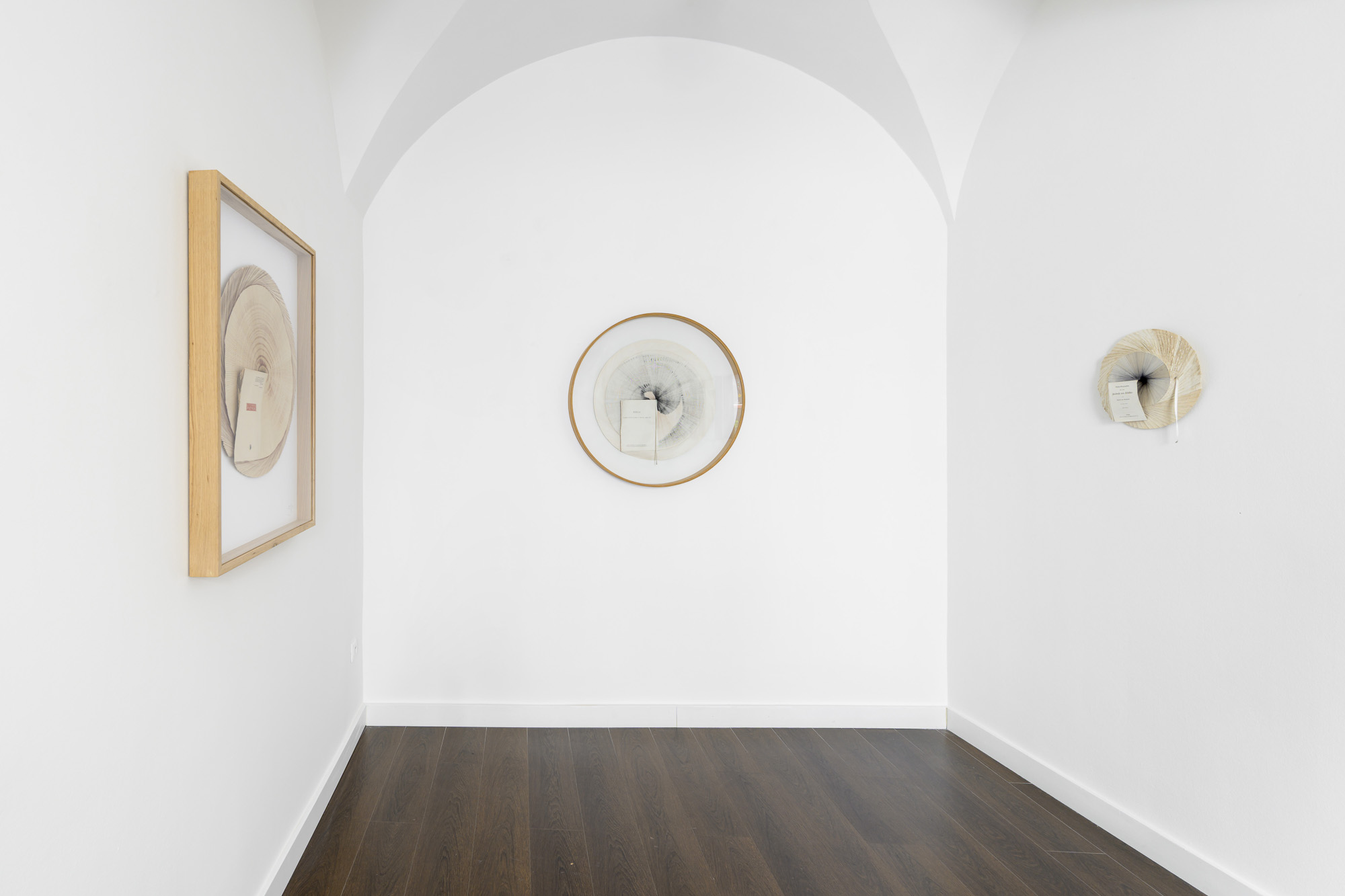
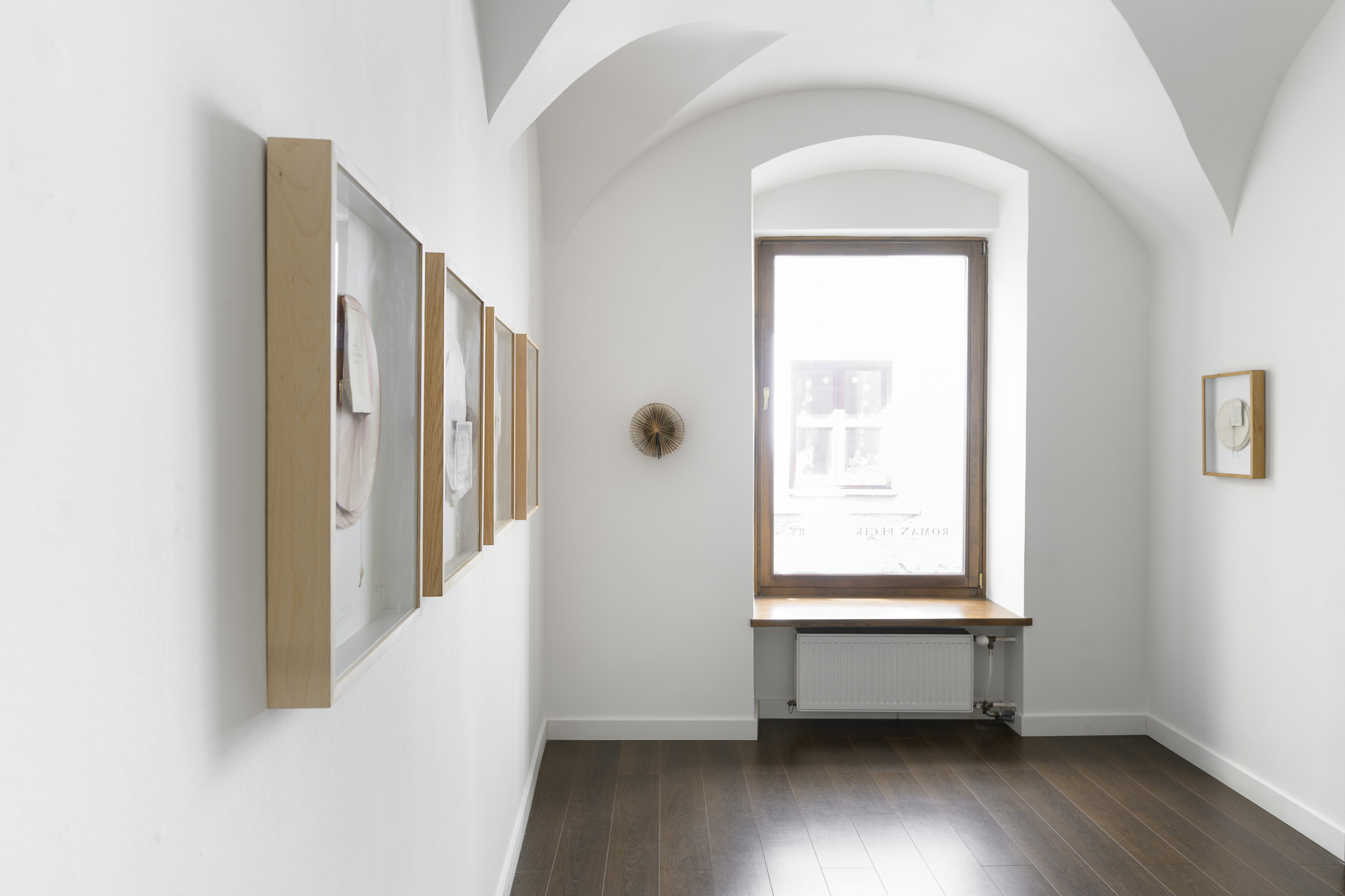
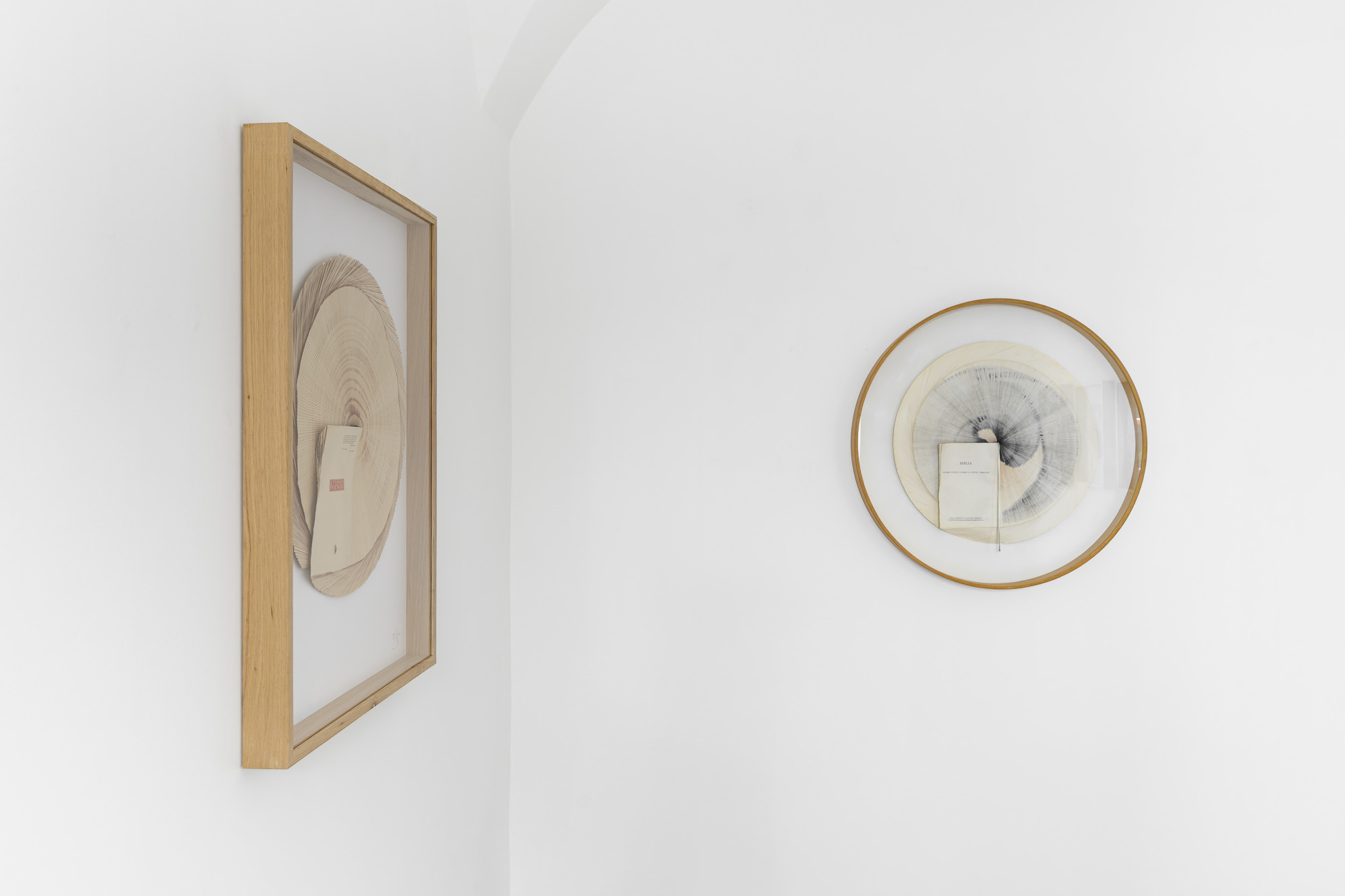
Výstava v Roman Fecik Gallery prezentuje výber z jeho diel s fokusom na knižné objekty, ktorým sa venuje od roku 2004. Výber siaha naprieč rôznymi obdobiami, pričom leitmotívom okolo ktorého osciluje, je motív kruhu, ktorý je výsledkom fyzických, ale aj metaforických modifikácií kníh.
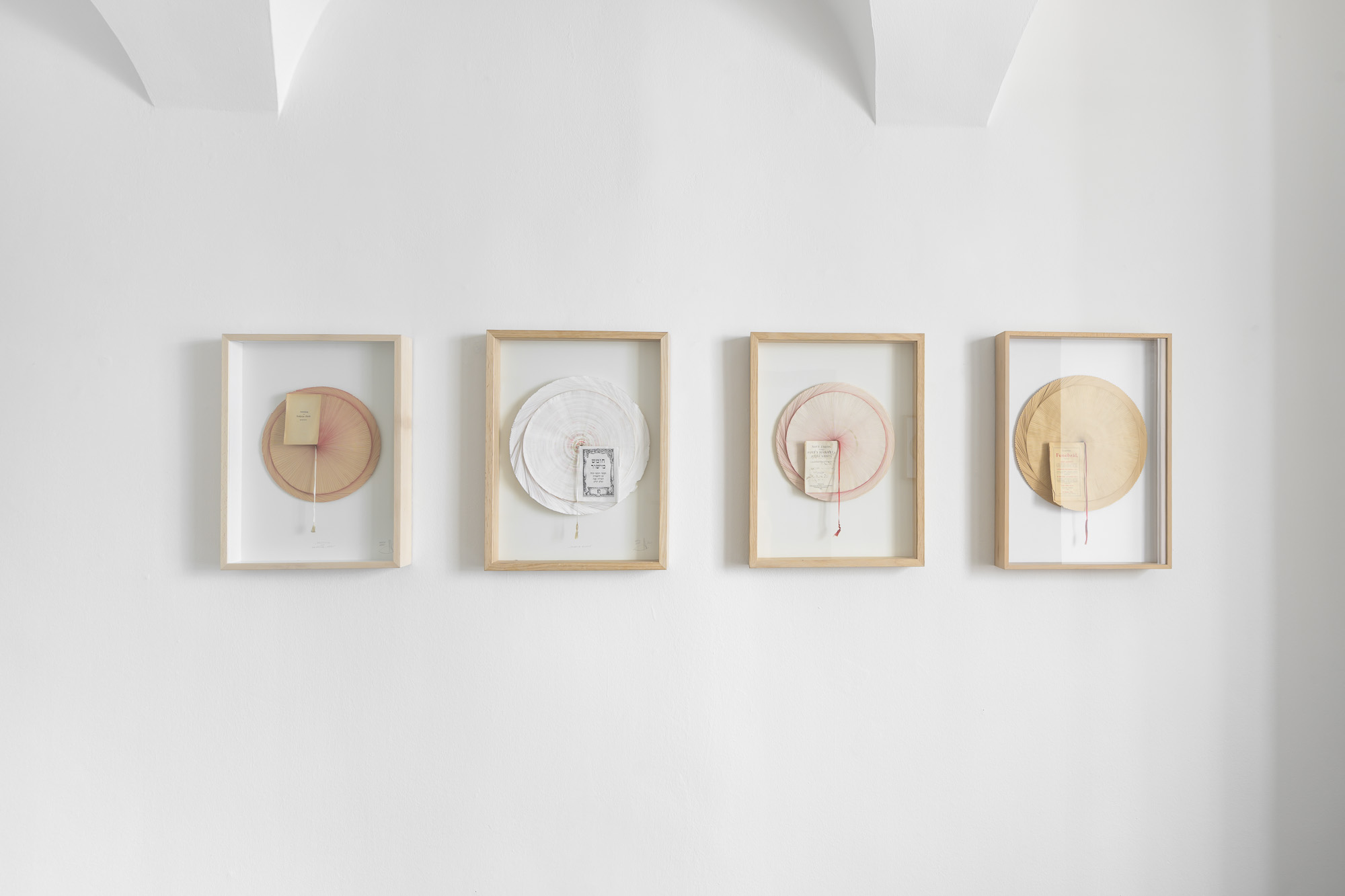
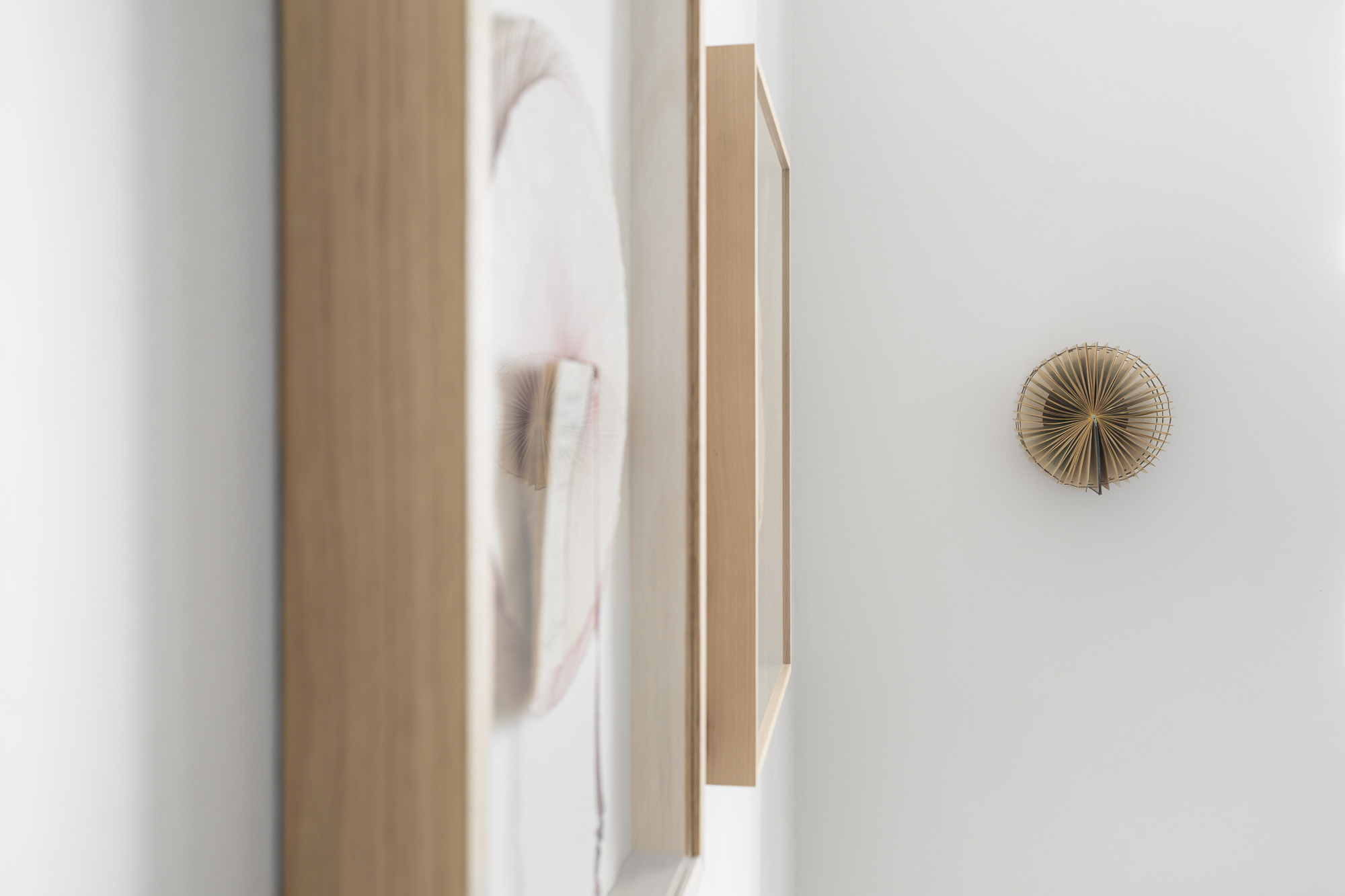
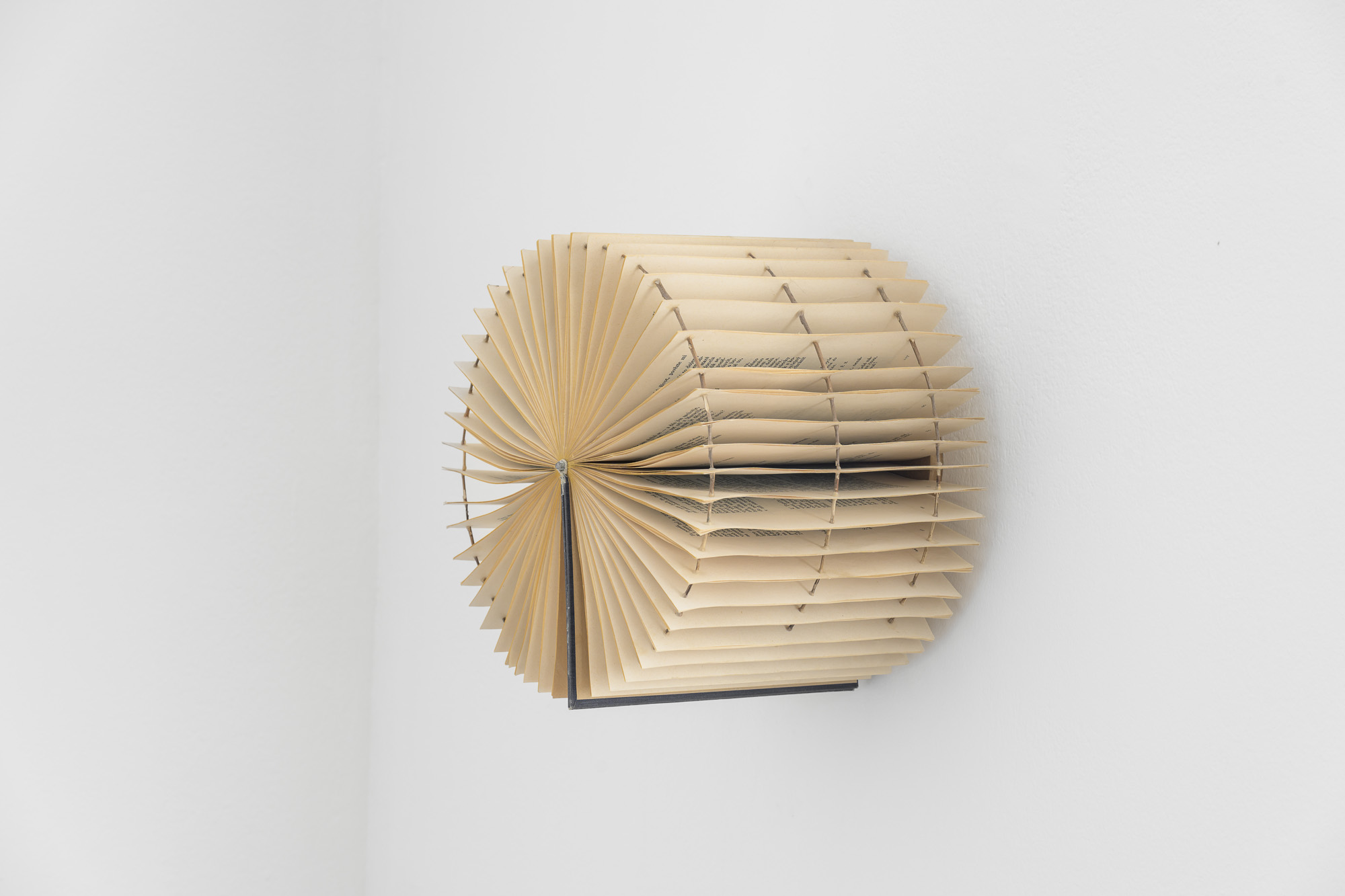
Ide predovšetkým o vytváranie nových situácií a čítaní, pričom autor v prezentovaných prácach nereaguje v prvom pláne na konkrétny obsah, ale na knihu ako fenomén. Defragmentácia a preskupenie prvkov, vrstvenie či rozloženie a pohrávanie sa s danosťami knihy ako objektu (farebnosť oriezky, knižná väzba a pod.) je súčasťou hry, pomocou ktorej sa z hranatých objektov stávajú kruhové, tzv. mandaly.
Kruh bol v minulosti vnímaný ako jeden z najdôležitejších symbolických tvarov. Pytagorejci považovali kruh za dokonalý tvar, pretože nemá začiatok ani koniec, bol spájaný s harmóniou, nekonečnom, celistvosťou a božou jednotou, prírodnými ale i duchovnými cyklami. Nie je preto divom, že sa práve tento tvar stal základom meditatívneho duchovného nástroja, do ktorých sa prevteľujú aj knihy v Dernerových objektoch. Podobne objekt Spomienka II./Rememberance II. z roku 2019 je knihou v akomsi neustálom, nekonečnom, pohybe do kruhu rotujúcich strán a spojeného začiatku a konca. Kruhová perforácia v knižnom objekte – v zdanlivo banálnom zoskupení kníh na polici – vytvára „priezor,“ negatívny tvar, ktorý evokuje absenciu, alebo miesto pomalého rozkladu a straty obsahu.
Pohľad Martina Dernera na knihy je dvojdomý. Dlhodobo pracuje s predmetmi z blízkeho, domáceho prostredia (ako napr. Bytové situácie), preto aj knihy tu možno vnímať ako bežnú súčasť poličiek a knižníc našich domácností. Zároveň však ide o objekty kultúrnej komunikácie naprieč časom a priestorom – či už vo filozofickej, náboženskej alebo beletristicko-fiktívnej rovine. V tomto zmysle ich možno chápať aj ako nositeľov zdieľaných predstáv a naratívov, prostredníctvom ktorých si – ako poukazuje Yuval Noah Harari – kolektívne konštruujeme spoločenskú realitu. Táto funkcia nositeľa naratívov (v princípe akýchkoľvek) zároveň umiestňuje knihy do medzipriestoru medzi hmotný predmet a médium správy.
Názov výstavy Knihomoľ možno čítať aj ako odkaz na dvojakú povahu knihy – na jednej strane ako objektu významu, ktorý je „hltaný“ čítaním, na druhej strane ako materiálneho predmetu, ktorý môže byť spotrebovávaný, čo reflektuje aj samotné ľudové označenie pre organizmy poškodzujúce knihy.
Jana Babušiaková
ENG/
In his artistic practice, Martin Derner employs neo-conceptual strategies across two-dimensional media—including printmaking, collage, and manipulated photography—as well as in intermedial explorations extending into three-dimensional forms.
The exhibition at Roman Fecik Gallery presents a selection of works focusing on the artist’s book objects, a body of work he has been developing since 2004. Spanning different periods of his practice, the selection revolves around the recurring motif of the circle, generated through both physical and metaphorical transformations of books.
Rather than responding primarily to the specific content of individual volumes, Derner engages with the book as a cultural and material phenomenon. Fragmentation and reconfiguration, layering, disassembly, and the playful manipulation of the book’s inherent physical characteristics—such as the colour of its fore edge, the binding, or its structural composition—become strategies for producing new situations and modes of reading. Through these interventions, rectilinear objects are transformed into circular forms, or what the artist refers to as mandalas.
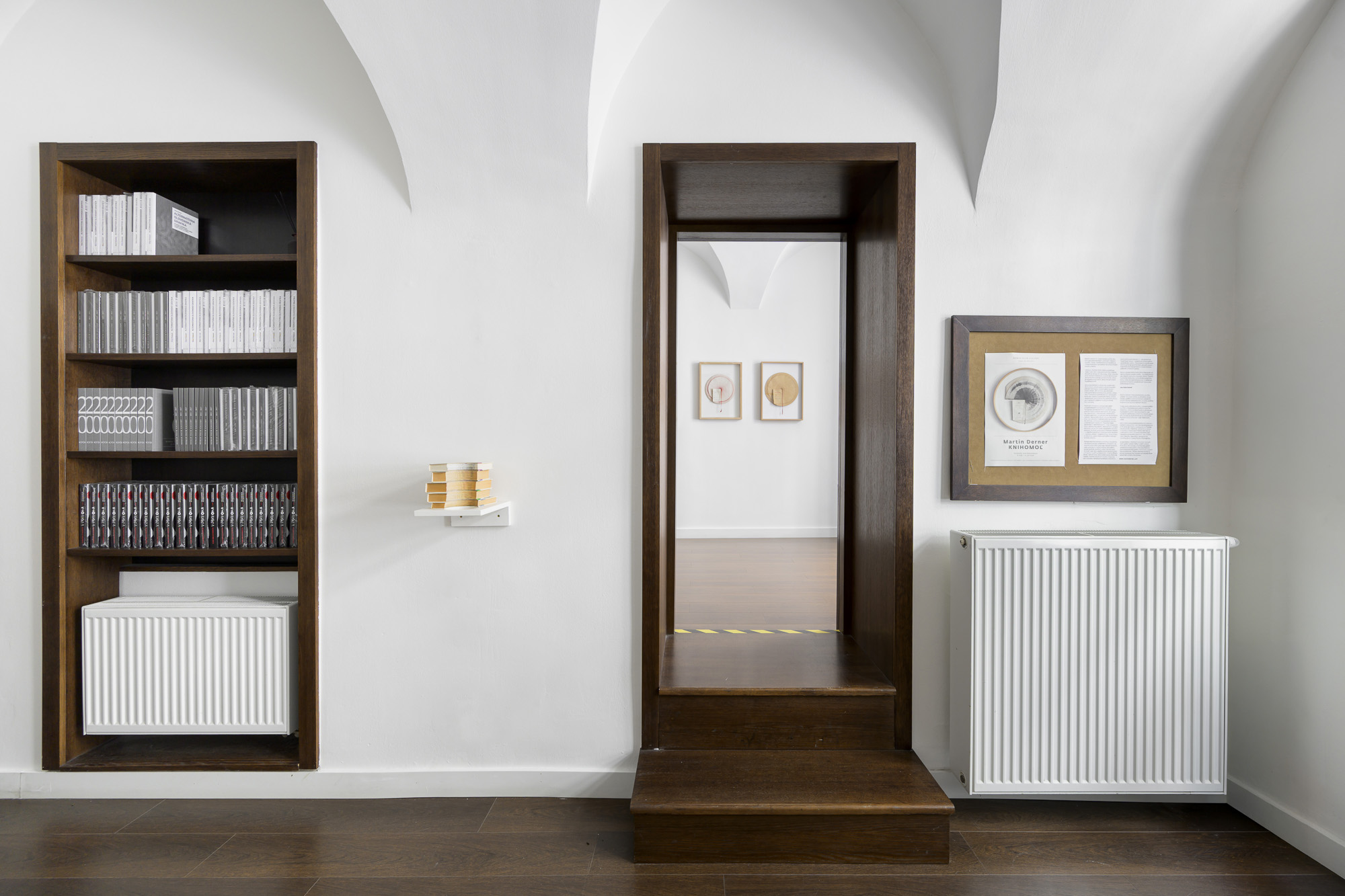
Throughout history, the circle has been regarded as one of the most significant symbolic forms. For the Pythagoreans, it represented perfection precisely because it possesses neither beginning nor end. It has long been associated with harmony, infinity, wholeness, divine unity, and with both natural and spiritual cycles. It is therefore hardly surprising that this shape became the foundation of the mandala as a meditative and spiritual instrument—a form into which books are likewise transfigured in Derner’s objects. Similarly, the work Remembrance II (2019) presents a book suspended in a perpetual circular movement, its rotating pages collapsing beginning and end into a continuous cycle. Elsewhere, circular perforations made through book objects—or through an ostensibly ordinary arrangement of books on a shelf—create apertures, negative forms that evoke absence, erosion, or a site of gradual disintegration and loss of content.
Derner’s approach to books is inherently dual. For many years he has worked with objects drawn from the intimate domestic environment—as exemplified by works such as Apartment Situations—and books, too, may be understood here as familiar components of the shelves and bookcases that populate everyday interiors. At the same time, they function as vehicles of cultural communication across time and space, whether in philosophical, religious, or literary contexts. In this sense, books may also be understood as carriers of shared imaginaries and narratives through which, as Yuval Noah Harari has argued, societies collectively construct social reality. This capacity to transmit narratives of every kind situates the book within an intermediate realm between material object and communicative medium.
The exhibition title, Bookworm, may likewise be read as a reference to the book’s dual nature: on the one hand, as an object of meaning that is metaphorically "devoured" through reading; on the other, as a physical object subject to material consumption, echoing the common term for the organisms that feed on and damage books.
Jana Babušiaková